How to Integrate Playful Education Themes in Your Art Across Australia
Exploring Playful Education
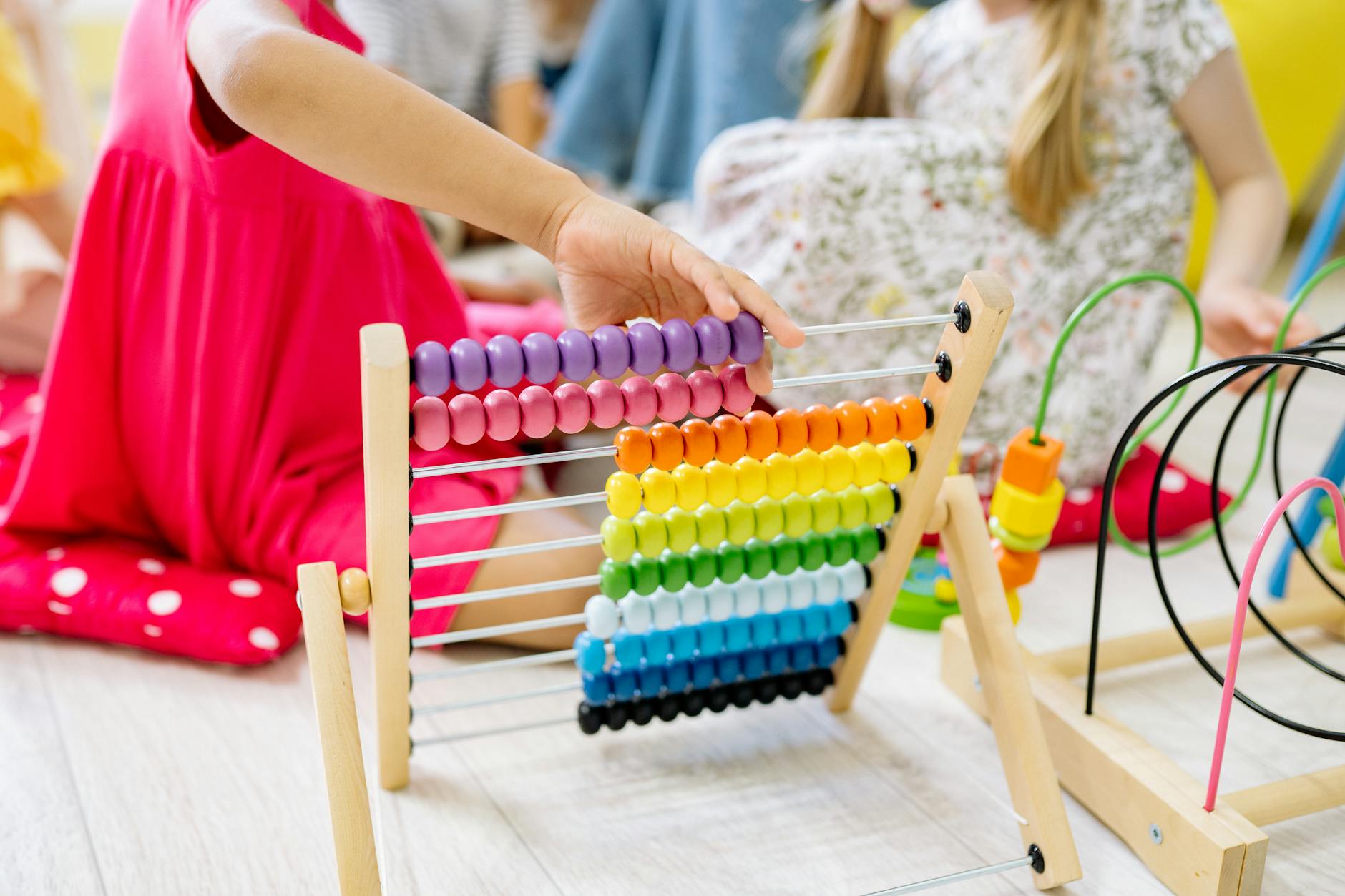
Crafting engaging content is much like applying makeup: it’s about creativity, precision, and allure. In playful education, engaging with young minds requires similar precision, where child care courses focus on fostering innovative and playful learning environments. Think about the vibrant colours at the Art Gallery of New South Wales, reflecting how each educational approach can be as diverse and inspiring. Such courses arm educators with strategies to harness the beauty of spontaneity and joy in learning, akin to blending a radiant highlight on the cheekbones for that perfect glow.
Key Principles of Playful Education
The principles underpinning playful education emphasize creativity, curiosity, and collaboration. Here's where you, much like painting vivid illustrations, apply techniques of sensory exploration and hands-on learning:
- Creativity: Designing lessons that stimulate imaginative thinking.
- Curiosity: Encouraging questions and exploration.
- Collaboration: Facilitating interactive activities that build social skills.
Each principle is like a layer of makeup—important on its own, but transformative when combined.
Benefits for Young Learners
Engaging young learners through play enhances cognitive abilities and social-emotional skills. It's akin to adding a pop of colour to your makeup, making the entire look pop. Benefits include:
- Improved problem-solving skills
- Enhanced emotional expression
- Encouraged peer interaction
Innovative Examples from Australia
In Australia, diverse approaches in child care courses bring innovation to the forefront. Imagine the buzz of creative energy at the Paddington Markets, where new ideas are born. Educators implement storytelling and artistic exploration, much like showcasing creative skills at a bustling market stall. These methods ensure learning is dynamic and effective, laying the foundation for lifelong curiosity and growth.
Art Techniques to Incorporate
Infusing creativity into early childhood education can create engaging learning experiences. One approach is to use interactive elements that captivate young minds. Think of hands-on activities, such as using textured materials in art projects that kids can touch and manipulate, helping them to learn through sensory engagement. Bringing interactivity into educational content encourages kids to explore and discover, fostering a deeper understanding.
Using Interactive Elements
Interactive elements shine in environments rich with imaginative energy, like the vibrant art scene around Sydney's Darlinghurst. Consider integrating digital whiteboards or virtual reality as tools that allow children to engage with educational material dynamically. By simulating real-world scenarios digitally, kids can learn about complex concepts in a playground of possibilities.
Incorporating Storytelling
Nothing enchants young learners more than a good story. By weaving compelling narratives into educational content, concepts become relatable and memorable. Imagine scenes from cultural exhibitions at the Art Gallery of New South Wales brought to life in animated tales. These stories can feature characters that children identify with, making learning an adventure rather than a task.
Blending Digital and Traditional Media
Combining digital with traditional media can enliven content, creating a rich tapestry of learning. For instance, a video collage that includes hand-drawn sketches and CGI animations could show various facets of an educational concept. This mix not only appeals visually but also taps into different learning styles, ensuring a more holistic developmental process. By embracing diverse media, educators can cultivate an inclusive environment that caters to all types of learners.
Best Practices for Creative Success in Education
The Power of Feedback
By tuning into the feedback of your audience, you unlock a treasure trove of insights that can propel your educational content to new heights. Whether it's an inspiring mural along the streets of Darlinghurst or an immersive cultural exhibition at the Art Gallery of New South Wales, creative expression thrives on understanding its audience. Consider implementing mockup feedback sessions where learners can express their thoughts openly. These insights will guide you in refining your approaches and ensuring your educational projects resonate deeply with young minds.
Harnessing Social Media's Reach
In our digital era, social media is the vibrant heart of connection. Whether you're posting stunning visuals of your latest illustration or sharing clips of a Beauty Blender hack that you adored, platforms like Instagram and TikTok are invaluable for outreach. A carefully curated feed can open doors to endless possibilities: sharing vibrant illustrations that capture the essence of Paddington Markets or hosting live sketching sessions that spark conversations and engagement. Diversifying your digital presence can bolster your visibility and fortify your creative projects’ impact.
Crafting Strategic Collaborations
Uniting with fellow creatives from the buzzing art scene around Sydney lays the groundwork for richer, collaborative educational ventures. Consider teaming up with other illustrators, educators, or even digital artists who align with your vision. These alliances can provide a rich tapestry of perspectives, budget-friendly resources, and innovative ideas. Through strategic partnerships, you'll find yourself crafting educational content that’s not only rich in creativity but also more inclusive and impactful.